

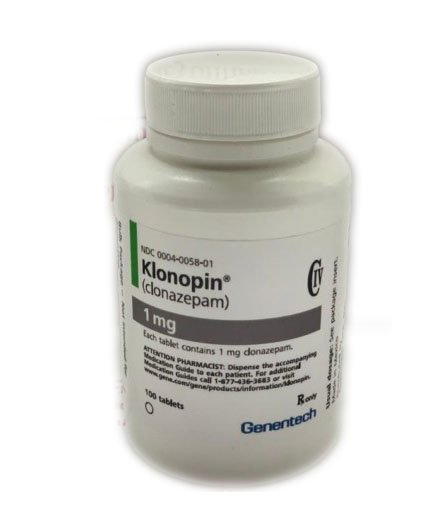
Clonazepam (Klonopin)
Price range: $200.00 through $450.00
Clonazepam, commonly sold under the brand name Klonopin, is a prescription medication in the benzodiazepine class. Doctors commonly prescribe it for certain seizure disorders and panic disorder. It works by calming overactive activity in the brain and nervous system.
Because it affects the central nervous system, Clonazepam is a controlled medication in many countries and should only be used under medical supervision.
What Is Clonazepam Used For?
Clonazepam may be prescribed for:
- Panic disorder
- Certain seizure disorders
- Anxiety-related symptoms in specific situations
- Some neurological conditions (based on physician evaluation)
The medication works by increasing the effects of calming brain signals, which can help reduce excessive nerve activity.
Clonazepam Types and Available Strengths
Clonazepam is commonly available in the following forms:
Oral Tablets
- 0.5 mg
- 1 mg
- 2 mg
Orally Disintegrating Tablets (ODT)
- 0.125 mg
- 0.25 mg
- 0.5 mg
- 1 mg
- 2 mg
The dissolving tablets melt in the mouth and may be preferred by some patients who have difficulty swallowing pills.
Clonazepam Dosage Information
Dosage differs depending on age, medical condition, and individual response.
Examples of prescribed dosing may include:
For Panic Disorder
- Initial doses are often started low
- Doctors may gradually adjust based on response
For Seizure Disorders
- Treatment often begins with smaller divided doses
- Adjustments are usually made gradually over time
Doctors generally start with the lowest effective dose and increase carefully if needed.
Important: Never change or stop prescribed medication suddenly without medical guidance because withdrawal symptoms can occur.
Advantages of Clonazepam
Some potential benefits include:
Fast calming effect
Many people notice symptom relief relatively quickly compared with some medications.
Can reduce panic symptoms
It may help lower the intensity and frequency of panic episodes.
Useful for certain seizure conditions
Clonazepam can help control some seizure types.
Multiple dosage forms available
Tablet and dissolving tablet options can improve convenience.
Disadvantages of Clonazepam
Possible drawbacks include:
Drowsiness
Some users feel sleepy or less alert.
Risk of dependence
Long-term use may increase the risk of physical dependence.
Memory or concentration issues
Some people report feeling mentally slower or less focused.
Not ideal for everyone
Medical history, age, and other medications can affect suitability.
Common Side Effects of Clonazepam
Common side effects may include:
- Drowsiness
- Dizziness
- Fatigue
- Problems with coordination
- Difficulty concentrating
- Memory problems
- Feeling unsteady
- Blurred vision
- Muscle weakness
These effects vary among individuals.
Serious Side Effects
Seek urgent medical care if severe symptoms appear, such as:
- Breathing difficulties
- Severe allergic reactions
- Extreme drowsiness
- Significant mood or behavior changes
Serious side effects are less common but can occur.
How Can Clonazepam Make Someone Feel?
Effects can vary from person to person.
People may describe feeling:
- Calmer
- Less tense
- More relaxed
- Less overwhelmed by panic symptoms
- Sleepier than usual
- Mentally slower or less alert
Some people may also dislike how it feels because they experience tiredness, sluggishness, or reduced concentration.
The experience can differ based on dosage, medical condition, age, and other factors.
Precautions and Warnings
Before taking Clonazepam, healthcare providers typically consider:
- Liver conditions
- Kidney conditions
- Breathing problems
- Pregnancy considerations
- Other medications being taken
- History of substance misuse
Alcohol and certain medications can increase sedation risks.
Frequently Asked Questions About Clonazepam
Is Clonazepam the same as Klonopin?
Yes. Clonazepam is the generic medication name, while Klonopin is a brand name.
Is Clonazepam used only for anxiety?
No. It may also be used for seizure disorders and other medically evaluated conditions.
Does Clonazepam make everyone sleepy?
No. Drowsiness is common, but effects vary between individuals.
Is Clonazepam addictive?
It can lead to dependence in some cases, especially with prolonged use.
Can Clonazepam affect memory?
Some users report concentration and memory difficulties.
Can someone stop Clonazepam suddenly?
Stopping abruptly can cause withdrawal symptoms. Medical guidance is important.
How long does Clonazepam stay in the body?
The amount of time can vary among individuals due to factors such as age, metabolism, and dosage.
| Dosage | 1mg, 2mg |
|---|---|
| Quantity | 100pills, 200pills |
Related products
Pills
Pills
Pills