

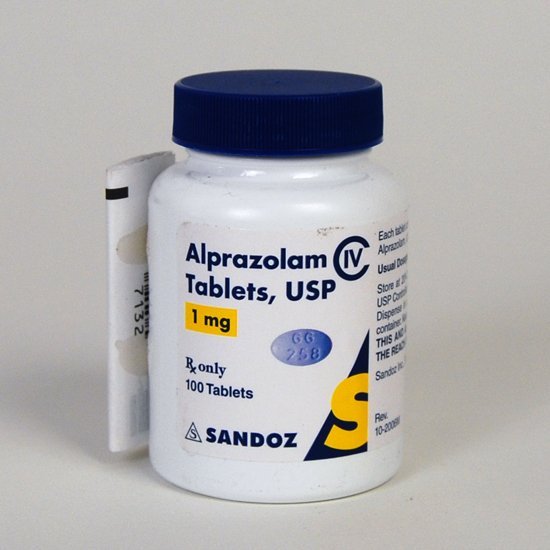
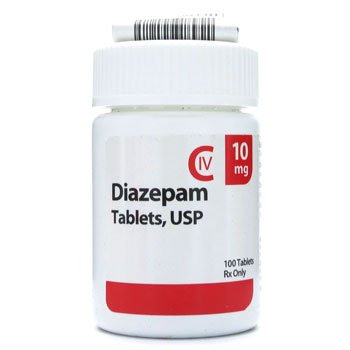
Diazepam (Valium)
Price range: $150.00 through $450.00
Diazepam, commonly known by the brand name Valium, is a prescription medication that belongs to a class of medicines called benzodiazepines. It is widely prescribed for anxiety disorders, muscle spasms, alcohol withdrawal symptoms, seizure disorders, and certain medical procedures requiring sedation.
Diazepam works by increasing the effects of gamma-aminobutyric acid (GABA), a natural chemical in the brain that helps slow down nervous system activity. This action can produce calming and relaxing effects.
What is Diazepam (Valium) Used For?
Diazepam may be prescribed for:
- Anxiety disorders
- Muscle spasms
- Seizure disorders
- Alcohol withdrawal symptoms
- Short-term relief of severe anxiety
- Sedation before medical procedures
- Certain neurological conditions
Doctors determine whether Diazepam is appropriate based on age, medical history, and individual circumstances.
Types of Diazepam Available
Diazepam is available in different forms:
Tablets
Common tablet strengths include:
- 2 mg
- 5 mg
- 10 mg
Oral Solution
Liquid formulations for individuals who have difficulty swallowing tablets.
Injectable Form
Used in hospitals and clinical settings.
Rectal Gel
Sometimes prescribed for specific seizure situations.
Diazepam Dosage Information
Dosage varies depending on the condition being treated, age, and medical factors.
General dosage ranges often prescribed by healthcare professionals include:
For anxiety:
- Often prescribed in divided doses throughout the day.
For muscle spasms:
- Dose may vary according to severity.
For seizure-related conditions:
- Dosing depends heavily on medical supervision.
Important: Never change dosage or stop taking Diazepam suddenly without medical guidance, as abrupt discontinuation can lead to withdrawal symptoms.
Advantages of Diazepam
Some potential advantages include:
- May help reduce anxiety symptoms
- Can relax muscle tension
- May assist in controlling certain seizures
- Fast onset of calming effects in many individuals
- Multiple dosage forms available
- Useful in various medical situations
Disadvantages of Diazepam
Possible disadvantages include:
- Risk of drowsiness
- May impair concentration
- Potential for dependence with prolonged use
- May not be suitable for everyone
- Can interact with other medications
- Requires medical supervision
Common Side Effects of Diazepam
Some individuals may experience:
- Drowsiness
- Fatigue
- Dizziness
- Weakness
- Dry mouth
- Blurred vision
- Reduced alertness
- Confusion
- Poor coordination
- Headache
Not everyone experiences side effects.
Serious Side Effects That Need Medical Attention
Seek medical attention if serious symptoms occur, such as:
- Severe breathing difficulties
- Significant mood changes
- Severe allergic reactions
- Extreme confusion
- Fainting episodes
How Diazepam May Make You Feel
People can experience Diazepam differently. Some commonly reported effects include:
- Feeling calmer
- Feeling more relaxed
- Reduced physical tension
- Less nervousness
- Sleepiness
- Reduced stress sensations
- Mental slowing in some individuals
- Feeling tired or less energetic
Responses vary between individuals and depend on personal health factors.
Safety Considerations
Diazepam may not be appropriate for everyone. Extra caution may be necessary for:
- Older adults
- People with breathing disorders
- Individuals with liver conditions
- Pregnant individuals
- People taking medications that affect the nervous system
Always discuss medical history and current medications with a healthcare professional.
Frequently Asked Questions About Diazepam (Valium)
Is Diazepam the same as Valium?
Yes. Diazepam is the generic name, while Valium is a brand name.
How long does Diazepam stay in the body?
Diazepam can remain in the body for several days because it has a relatively long duration of action.
Does Diazepam make you sleepy?
Yes. Drowsiness and sleepiness are commonly reported effects.
Can Diazepam be taken long term?
Doctors often evaluate long-term use carefully because prolonged use may increase certain risks.
Can Diazepam affect concentration?
Yes. Some individuals may notice slower reaction time or reduced concentration.
Is Diazepam used for panic attacks?
Healthcare professionals may prescribe Diazepam in some situations involving anxiety or panic-related symptoms.
Can Diazepam interact with other medications?
Yes. Diazepam can interact with numerous medications and supplements.
Is Diazepam available without a prescription?
In many countries, Diazepam is a prescription-only medication.
Conclusion
Diazepam (Valium) is a widely recognized prescription medication used for anxiety, muscle spasms, seizure-related conditions, and other medical uses. Understanding its dosage forms, advantages, disadvantages, and possible side effects can help patients make informed decisions together with their healthcare providers.
| Dosage | 5mg, 10mg |
|---|---|
| Quantity | 100 pills, 200 pills |
Related products

Pills
Pills
Pills

Pills