

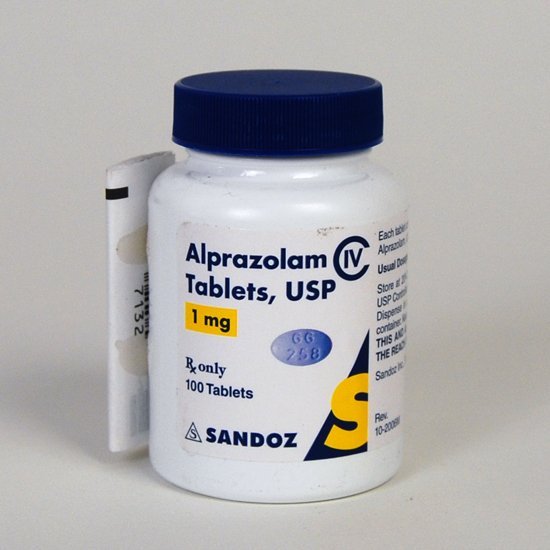
Alprazolam (Xanax)
Price range: $200.00 through $500.00
What Is Alprazolam (Xanax)?
Alprazolam, commonly sold under the brand name Xanax, is a prescription medication in the benzodiazepine family. It is primarily used to help manage anxiety disorders, panic disorders, and related conditions. The medication works by affecting chemicals in the brain that may become unbalanced and contribute to anxiety symptoms.
People often search for terms such as:
- What is Xanax used for?
- Alprazolam dosage guide
- Xanax side effects
- Xanax benefits and risks
- Different types of Xanax
What Is Alprazolam Used For?
Healthcare providers may prescribe Alprazolam for:
- Generalized anxiety disorder (GAD)
- Panic disorder
- Anxiety associated with depression
- Short-term management of severe anxiety symptoms
The medication is generally intended for medically supervised use.
Types of Alprazolam (Xanax)
Alprazolam may come in several forms:
Immediate-Release Tablets
These release the medication into the body quickly and may require multiple doses throughout the day.
Extended-Release Tablets (XR)
Extended-release versions are designed to release medication gradually over time.
Orally Disintegrating Tablets
These dissolve on the tongue without needing water.
Liquid Formulations
Some prescriptions may come in liquid form depending on patient needs.
Common Alprazolam Dosages
Dosage can vary depending on medical condition, age, health status, and physician guidance.
Examples of tablet strengths may include:
- 0.25 mg
- 0.5 mg
- 1 mg
- 2 mg
Healthcare providers determine dosage based on individual circumstances. Medication strength and treatment plans differ from person to person.
Advantages of Alprazolam (Xanax)
Potential benefits may include:
Fast Symptom Relief
Some people may experience relief from anxiety symptoms relatively quickly.
Panic Disorder Management
May help reduce panic episodes in appropriately selected patients.
Improved Daily Functioning
For some individuals, reducing severe anxiety symptoms can help improve daily activities.
Short-Term Anxiety Support
May be used as part of a broader treatment plan.
Disadvantages of Alprazolam (Xanax)
Potential drawbacks can include:
Dependence Risk
Long-term use may increase the risk of physical dependence.
Drowsiness
Some users experience tiredness or reduced alertness.
Memory and Concentration Effects
Attention and concentration may be affected.
Withdrawal Concerns
Stopping certain medications suddenly can sometimes lead to withdrawal symptoms.
Common Side Effects of Alprazolam
Side effects may vary between individuals.
Frequently reported effects include:
- Drowsiness
- Dizziness
- Fatigue
- Dry mouth
- Difficulty concentrating
- Changes in coordination
- Headache
- Changes in appetite
- Nausea
Less common but potentially serious reactions can occur and require medical attention.
How Alprazolam May Affect How a Person Feels
Effects can differ depending on the individual, dosage, medical condition, and other factors.
Some people report:
- Feeling calmer
- Reduced anxious thoughts
- Relaxation
- Sleepiness or tiredness
- Reduced tension
Others may experience unwanted effects such as:
- Mental fogginess
- Reduced alertness
- Confusion
- Fatigue
Experiences vary significantly from person to person.
Important Safety Information
- Take medication exactly as prescribed.
- Do not adjust medication amounts without medical guidance.
- Inform healthcare providers about other medications being used.
- Discuss any existing medical conditions with a healthcare professional.
Frequently Asked Questions About Alprazolam (Xanax)
Is Alprazolam the same as Xanax?
Yes. Xanax is a brand name while Alprazolam is the generic name.
Is Xanax used for anxiety?
It is commonly prescribed for anxiety-related conditions under medical supervision.
Can Alprazolam cause sleepiness?
Drowsiness and tiredness are among commonly reported effects.
Are there risks associated with Alprazolam?
Like many medications, it has potential risks and benefits that should be evaluated by a healthcare provider.
Final Thoughts
Alprazolam (Xanax) is a widely known prescription medication used in anxiety and panic-related conditions. Understanding dosage forms, benefits, side effects, and safety considerations can help individuals make informed discussions with healthcare professionals.
| Types | Immediate-Release Tablets, Extended-Release Tablets (XR) |
|---|---|
| Dosage | 1mg, 2mg |
| Quantity | 100pill, 200pill |
Related products
Pills
Pills
Pills

Pills