
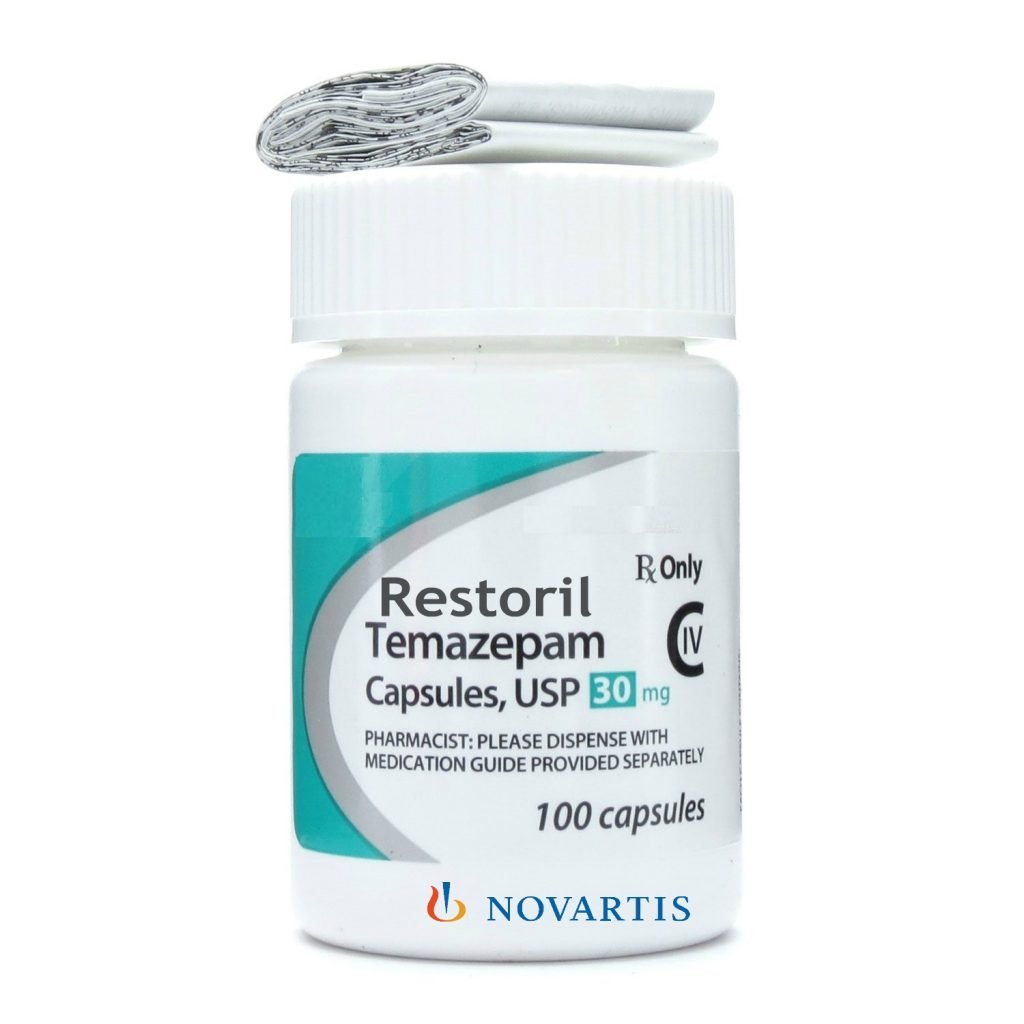

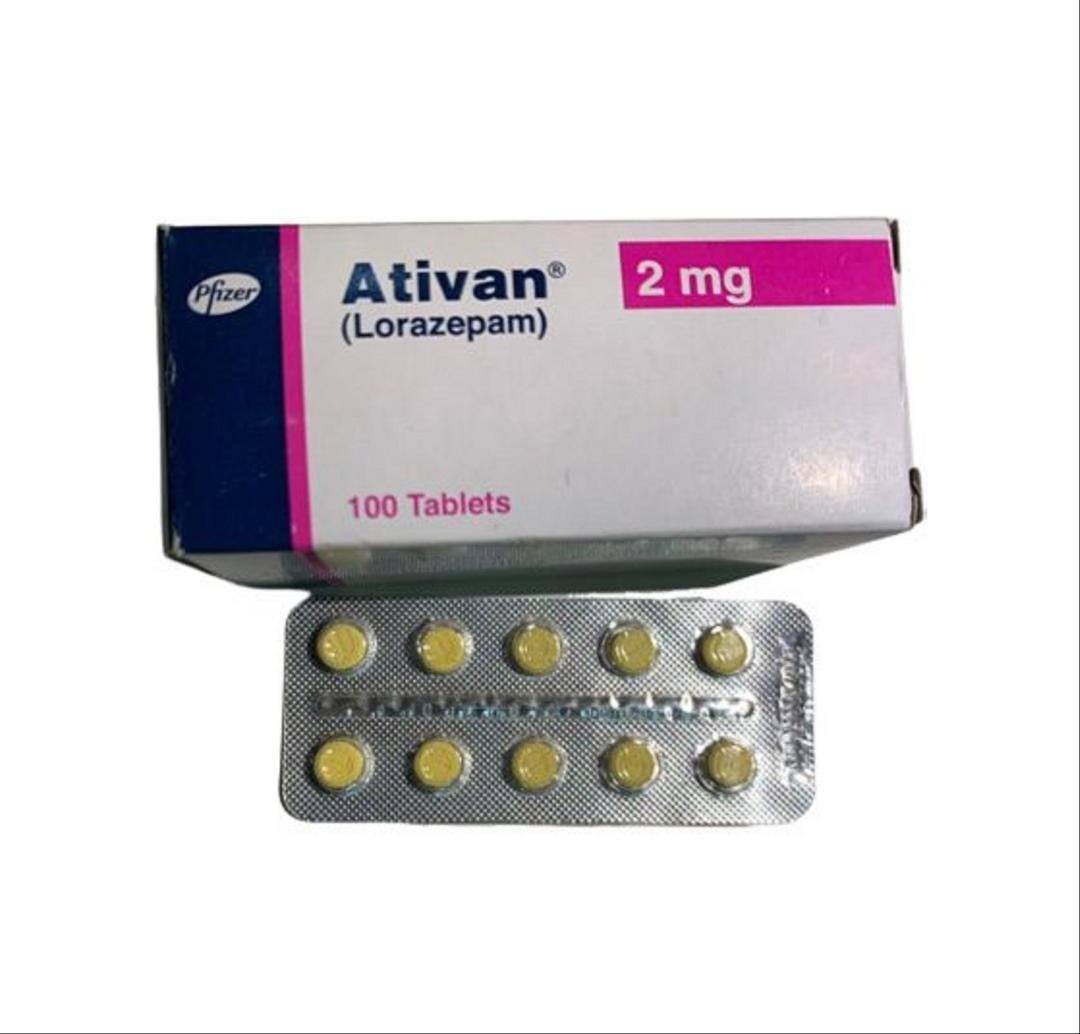
Lorazepam (Ativan)
Price range: $200.00 through $400.00
What is Lorazepam (Ativan)?
Lorazepam, commonly known by the brand name Ativan, is a prescription medication from the benzodiazepine family. Doctors may prescribe it for conditions involving anxiety, short-term anxiety-related symptoms, certain seizure situations, insomnia related to anxiety, and for sedation before some medical procedures.
Lorazepam works by affecting chemical signals in the brain that help regulate nervous system activity and calm excessive brain stimulation.
Common Types and Forms of Lorazepam (Ativan)
Lorazepam can come in different forms, including:
- Oral tablets
- Oral liquid solutions (availability varies by region)
- Injectable formulations used in healthcare settings
Different strengths may be available depending on country and manufacturer.
General Dosage Information for Lorazepam
Lorazepam dosing differs based on:
- The condition being treated
- Age
- Medical history
- Other medications being taken
- Individual response to treatment
Because it is a prescription medication, dosage decisions are typically individualized by healthcare professionals.
Advantages of Lorazepam (Ativan)
Some potential benefits include:
Fast-acting effects
Lorazepam often begins working relatively quickly compared with some longer-term medications.
Anxiety relief
Many people experience reduced feelings of nervousness or overwhelming anxiety.
Sedative effects
It can help calm excessive restlessness or agitation.
Medical procedure support
Doctors sometimes use it before procedures to reduce anxiety.
Seizure management uses
Certain medical settings use lorazepam as part of seizure treatment.
Disadvantages of Lorazepam (Ativan)
Potential drawbacks may include:
Dependence risk
Long-term or repeated use may lead to physical dependence.
Drowsiness
It can interfere with alertness and concentration.
Tolerance development
Some people may notice reduced effects over time.
Withdrawal concerns
Stopping suddenly after prolonged use can create significant symptoms.
Short-term memory effects
Some users may experience difficulty remembering recent events.
Common Side Effects of Lorazepam (Ativan)
Possible side effects include:
- Sleepiness
- Dizziness
- Weakness
- Fatigue
- Reduced concentration
- Confusion
- Balance problems
- Headache
- Blurred vision
- Nausea
Less common but more serious effects can occur and should be medically evaluated.
How Lorazepam (Ativan) Can Make You Feel
People describe their experiences differently. Some reported feelings include:
- A calmer state of mind
- Reduced anxious thoughts
- Relaxation
- Sleepiness
- Reduced tension
- Mental slowing
- Feeling less emotionally reactive
Some people may instead experience unwanted effects such as:
- Excessive tiredness
- Foggy thinking
- Reduced alertness
- Feeling detached or unusually tired
Responses can vary significantly between individuals.
Important Safety Considerations
Lorazepam should be used carefully because:
- It can interact with other medications
- Combining it with alcohol or certain substances can increase risks
- It may affect coordination and reaction time
- It may not be appropriate for some medical conditions
Frequently Asked Questions About Lorazepam (Ativan)
Is Lorazepam the same as Ativan?
Yes. Ativan is a brand name, while Lorazepam is the generic medication name.
How quickly does Lorazepam work?
Effects may begin relatively quickly, though timing varies by person and formulation.
Can Lorazepam make you sleepy?
Yes. Drowsiness is among the more commonly reported effects.
Can Lorazepam affect memory?
Some people report temporary memory or concentration difficulties.
Is Lorazepam addictive?
It carries a risk of dependence, particularly with long-term or repeated use.
Is Lorazepam used only for anxiety?
No. It may also be used in some situations involving seizures, sedation, or anxiety-related sleep difficulties.
Can you drive after taking Lorazepam?
Because it may reduce alertness and coordination, people are generally advised to understand how it affects them before activities requiring full attention.
Can Lorazepam interact with other medications?
Yes. Medication interactions are possible and should be reviewed with a healthcare professional.
| Dosage | 1mg, 2mg |
|---|---|
| Quantity | 100 pills, 200 pills |
Related products
Pills
Pills
Pills