
Opana (Oxymorphone)
Price range: $150.00 through $500.00
What Is Opana?
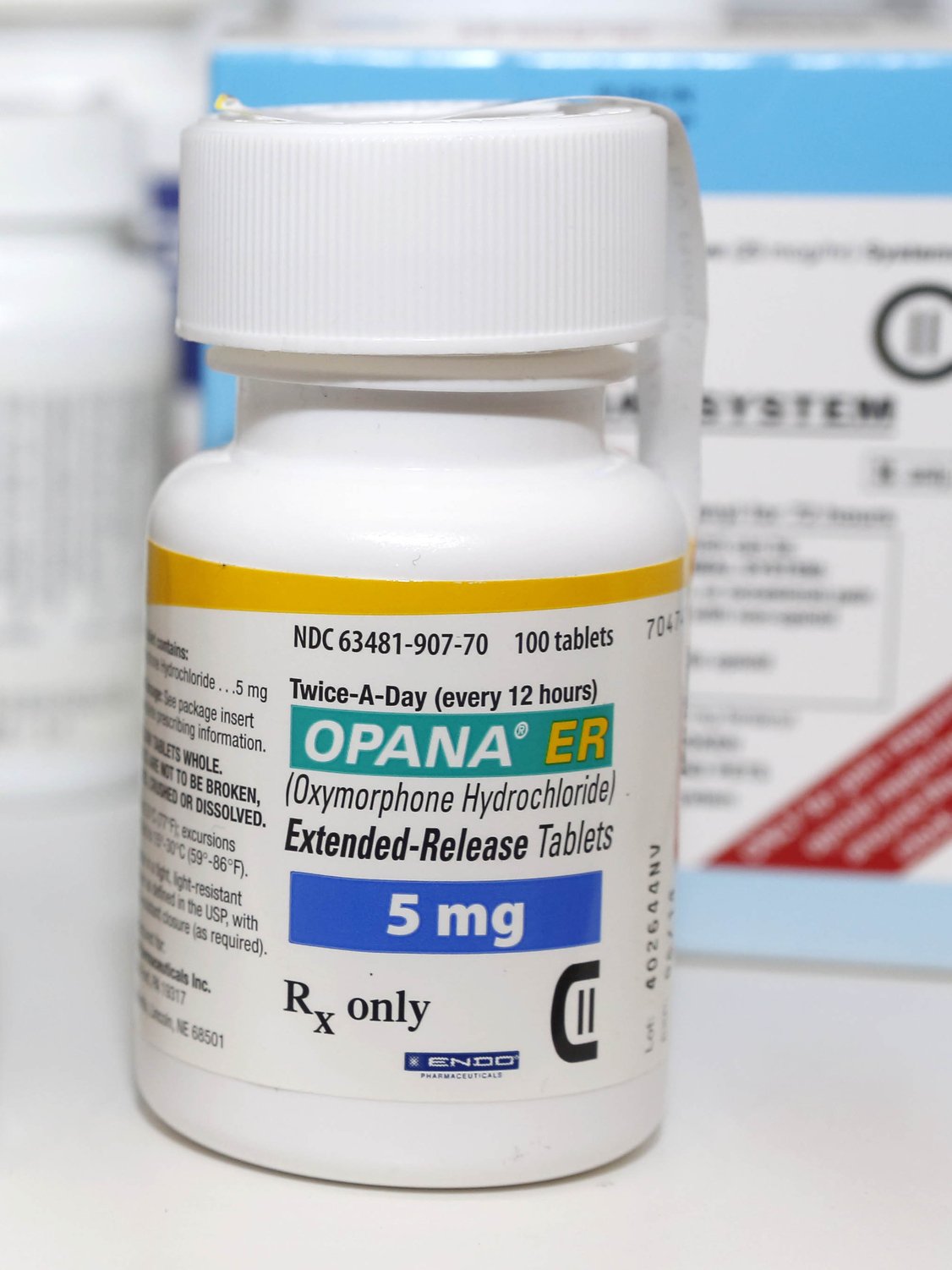
Opana is a prescription opioid pain medication that contains the active ingredient oxymorphone. It is commonly prescribed for the treatment of moderate to severe pain when other pain medications may not provide enough relief.
Opana belongs to a class of drugs known as opioid analgesics. It works by changing how the brain and nervous system respond to pain signals. Due to its potency, Opana is usually prescribed for patients dealing with chronic pain conditions or post-surgical pain.
Types of Opana
There are two main forms of Opana available:
1. Opana IR (Immediate Release)
Immediate-release tablets are designed for fast pain relief and are typically used for short-term pain management.
Common Dosage Strengths
- 5 mg
- 10 mg
2. Opana ER (Extended Release)
Extended-release tablets provide long-lasting pain relief and are intended for around-the-clock pain management.
Common Dosage Strengths
- 5 mg
- 10 mg
- 20 mg
- 40 mg
How Opana Makes You Feel
The effects of Opana may vary depending on dosage, tolerance, body chemistry, and whether the user has prior opioid experience.
Many users report feelings such as:
- Strong pain relief
- Relaxation
- Calmness
- Mild euphoria
- Drowsiness
- Sedation
- Physical comfort
Some individuals may also experience:
- Mental fog
- Fatigue
- Nausea
- Dizziness
Because Opana is a powerful opioid medication, it can impair concentration, coordination, and reaction time.
Advantages of Opana
Effective Pain Relief
Opana is known for its strong analgesic properties and may help manage severe chronic pain.
Long-Lasting Effects
The extended-release version provides continuous pain control throughout the day.
Fast-Acting Formula
Immediate-release tablets may provide relatively quick relief from acute pain symptoms.
Alternative for Some Patients
It may be prescribed when other opioid medications are ineffective or not tolerated.
Disadvantages of Opana
High Risk of Dependence
Long-term use can lead to physical dependence and opioid addiction.
Potential for Abuse
Because of its potency, Opana carries a high risk of misuse.
Strong Side Effects
Sedation, dizziness, and constipation are common complaints.
Withdrawal Symptoms
Stopping suddenly after prolonged use may cause withdrawal symptoms such as anxiety, sweating, muscle pain, and insomnia.
Common Side Effects of Opana
Like many opioid medications, Opana may cause side effects ranging from mild to severe.
Common Side Effects
- Drowsiness
- Dizziness
- Nausea
- Vomiting
- Constipation
- Dry mouth
- Sweating
- Headache
- Itching
Serious Side Effects
Seek immediate medical attention if serious symptoms occur, including:
- Trouble breathing
- Severe allergic reactions
- Chest pain
- Extreme confusion
- Fainting
- Blue lips or fingertips
Opana Dosage Information
Dosage should always be determined by a licensed healthcare provider.
Typical Starting Dosages
- Opana IR: 5 mg every 4–6 hours as needed
- Opana ER: Usually started at lower doses for opioid-naïve patients
The exact dosage depends on:
- Pain severity
- Previous opioid use
- Age and weight
- Medical history
- Tolerance level
Never increase dosage without medical supervision.
Important Safety Information
- Avoid alcohol while taking Opana
- Do not mix with other sedatives unless directed by a doctor
- Avoid driving or operating machinery if drowsy
- Store securely away from children
- Use only as prescribed
Opioids can slow breathing and may be dangerous when misused.
Frequently Asked Questions (FAQs)
What is Opana used for?
Opana is prescribed for moderate to severe pain management, especially when long-term opioid treatment is required.
How long does Opana last?
Immediate-release Opana may last around 4–6 hours, while extended-release versions can provide pain relief for up to 12 hours.
Is Opana stronger than oxycodone?
Oxymorphone is generally considered a potent opioid medication. Potency comparisons vary depending on dosage and individual response.
Can Opana cause addiction?
Yes. Opana has a high risk for dependence, misuse, and addiction, especially with prolonged use.
What should I avoid while taking Opana?
Avoid alcohol, recreational drugs, and combining it with other sedatives unless prescribed by a healthcare provider.
Can Opana make you sleepy?
Yes. Drowsiness and sedation are common side effects of opioid medications.
Is Opana still available?
Certain formulations of Opana ER were removed from the market in some regions due to safety concerns, but oxymorphone products may still be prescribed depending on local regulations.
| Type | Immediate Release, Extended Release |
|---|---|
| Dosage | 5 mg, 10 mg, 40 mg |
| Quantity | 100 pills, 200 pills |
Related products
Pills
Pills
Pills
Pills