

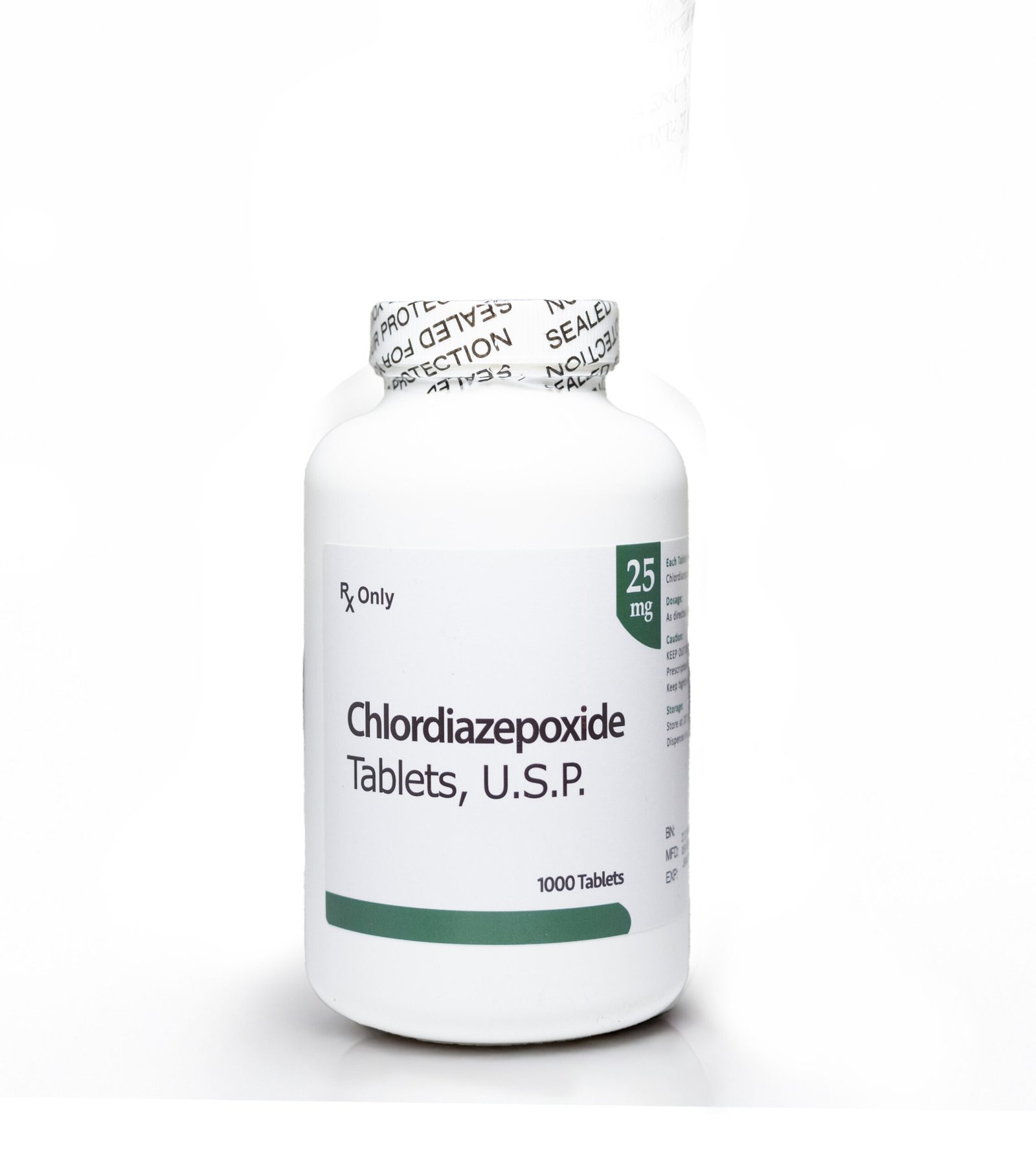
Chlordiazepoxide (Librium)
Price range: $200.00 through $700.00
Chlordiazepoxide, commonly known by the brand name Librium, is a prescription medication that belongs to the benzodiazepine class of drugs. Healthcare professionals may prescribe it for conditions related to anxiety and certain withdrawal-related symptoms. Because it affects the central nervous system, it is generally used under medical supervision.
What Is Chlordiazepoxide (Librium)?
Librium works by increasing the effects of certain calming signals in the brain. This can help reduce excessive nervous system activity and may create a calming effect.
Healthcare providers may prescribe it for:
- Anxiety disorders
- Short-term management of severe anxiety symptoms
- Symptoms associated with alcohol withdrawal
- Pre-procedure anxiety in some cases
Available Types and Forms
Chlordiazepoxide may be available in:
- Oral capsules
- Oral tablets (availability varies by region)
- Combination formulations in some countries
Strengths and formulations differ depending on country and manufacturer.
Dosage Information
The amount prescribed can vary based on:
- The condition being treated
- Age
- Medical history
- Other medications being taken
- Individual response to treatment
Because this medication can cause dependence and has important safety considerations, dosage decisions are made by healthcare professionals.
Potential Advantages of Chlordiazepoxide (Librium)
Some potential benefits include:
1. Anxiety Reduction
It can help decrease excessive feelings of nervousness and tension.
2. Calming Effect
Some people experience a reduction in agitation or restlessness.
3. Alcohol Withdrawal Support
Medical professionals may use it as part of treatment plans for withdrawal management.
4. Long-Acting Effects
Compared with some related medications, effects may last longer in the body.
Potential Disadvantages of Chlordiazepoxide (Librium)
Possible drawbacks include:
1. Drowsiness
It may reduce alertness and slow reaction times.
2. Dependence Risk
Long-term use can increase the risk of physical dependence.
3. Withdrawal Concerns
Stopping suddenly after prolonged use can lead to symptoms that require medical supervision.
4. Interaction Risks
The medication can interact with alcohol and other medicines.
Common Side Effects
Possible side effects can include:
- Sleepiness
- Fatigue
- Dizziness
- Dry mouth
- Reduced coordination
- Confusion
- Blurred vision
- Weakness
- Mild memory difficulties
Less common but more serious reactions can occur and require medical attention.
How Can Chlordiazepoxide (Librium) Make You Feel?
People can react differently. Some reported experiences include:
- Feeling calmer
- Reduced anxiety
- Feeling more relaxed
- Feeling sleepy or tired
- Feeling mentally slowed down
- Feeling less physically tense
Some individuals may instead experience unexpected effects such as increased agitation or mood changes.
Safety Considerations
Important considerations:
- Avoid combining with alcohol unless directed by a healthcare professional.
- It may affect driving or operating machinery.
- Inform healthcare providers about other medications being taken.
- Do not change or stop prescribed treatment without medical guidance.
Frequently Asked Questions About Chlordiazepoxide (Librium)
Is Librium the same as Chlordiazepoxide?
Yes. Librium is a brand name, while Chlordiazepoxide is the generic medication name.
Is Chlordiazepoxide used only for anxiety?
No. Healthcare professionals may also use it in specific situations such as alcohol withdrawal management.
Does Librium make people sleepy?
Sleepiness or drowsiness can occur in some individuals.
Can Chlordiazepoxide affect concentration?
It may reduce alertness and concentration in some people.
Is Chlordiazepoxide addictive?
Long-term use can carry a risk of dependence, which is why medical supervision is important.
Can it interact with other medications?
Yes. Certain medicines and substances may increase side effects or change how it works.
How long can the effects last?
Duration varies among individuals and depends on several medical factors.
| Dosage | 5 mg, 10 mg, 25 mg |
|---|---|
| Quantity | 100 pills, 200 pills |
Related products
Pills
Pills
Pills
Pills