
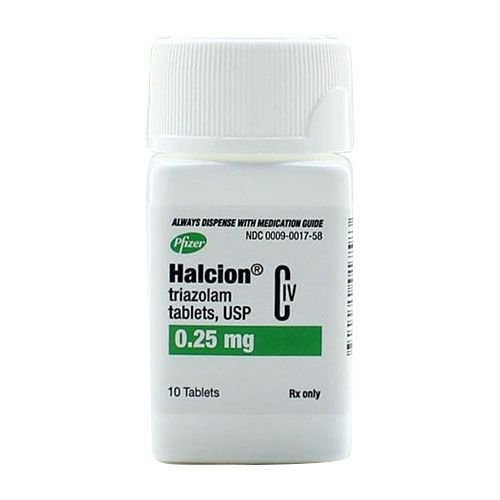


Temazepam (Restoril)
Price range: $200.00 through $500.00
Temazepam, commonly sold under the brand name Restoril, is a prescription medication belonging to the benzodiazepine family. It is mainly prescribed for the short-term treatment of insomnia and sleep difficulties. Temazepam works by affecting certain chemicals in the brain that help reduce activity in the nervous system and promote relaxation and sleep.
Doctors typically prescribe Temazepam for individuals who struggle with falling asleep, waking up frequently during the night, or experiencing short-term sleep disturbances.
What is Temazepam (Restoril)?
Temazepam is a sedative-hypnotic medication that slows activity within the central nervous system. It belongs to the same medication class as:
- Alprazolam (Xanax)
- Diazepam (Valium)
- Clonazepam (Klonopin)
- Lorazepam (Ativan)
Unlike some benzodiazepines that are commonly prescribed for anxiety, Temazepam is mainly used to assist with sleep problems.
Temazepam Dosage
Temazepam dosage varies depending on a person’s age, medical history, and condition.
Common prescription dosages include:
- 7.5 mg
- 15 mg
- 22.5 mg
- 30 mg
Many adults may begin with a lower dose, while dosage adjustments are made based on how the medication works for the individual.
Important: Temazepam should only be used exactly as prescribed by a qualified healthcare professional.
Available Types and Forms of Temazepam
Temazepam is generally available as:
- Oral capsules
- Different strength options
- Generic versions
- Brand formulations such as Restoril
Benefits and Advantages of Temazepam
Temazepam may offer several benefits for individuals with short-term sleep problems:
1. Helps with falling asleep
Temazepam can reduce the time needed to fall asleep.
2. May improve sleep quality
Some people experience fewer nighttime awakenings.
3. Calming effects
It may help reduce restlessness associated with temporary sleep disturbances.
4. Fast acting
Many users notice effects within a relatively short period after taking it.
Disadvantages and Risks of Temazepam
Like many prescription sedatives, Temazepam also has potential drawbacks.
1. Possible dependence risk
Long-term use may increase the risk of physical dependence.
2. Daytime drowsiness
Some individuals feel tired or sleepy the next day.
3. Temporary use
It is often prescribed for short periods rather than long-term treatment.
4. Reduced alertness
It can affect concentration and coordination.
Common Side Effects of Temazepam
Possible side effects may include:
- Sleepiness
- Dizziness
- Fatigue
- Headache
- Dry mouth
- Mild confusion
- Reduced coordination
- Blurred vision
- Nausea
People respond differently, and some may experience few or no side effects.
How Temazepam May Make You Feel
Experiences vary between individuals, but people may describe effects such as:
- Feeling relaxed
- Feeling sleepy
- Reduced mental tension
- Feeling calm
- Feeling physically less active
- Mild grogginess the following day
Some individuals may also feel unusually tired or mentally slower while the medication is active.
Who Should Be Careful with Temazepam?
Extra caution is commonly advised for:
- Older adults
- Individuals with breathing disorders
- People with a history of substance misuse
- Pregnant individuals
- People taking medications that may interact with sedatives
Is Temazepam the same as Restoril?
Yes. Restoril is a brand name for Temazepam.
How long does Temazepam take to work?
Many people begin to feel effects within a relatively short time after taking the medication, although timing varies.
Is Temazepam used for anxiety?
Temazepam is primarily prescribed for insomnia rather than routine anxiety treatment.
Can Temazepam make you feel relaxed?
Yes. Because it affects the central nervous system, some individuals report feeling calmer or more relaxed.
Can Temazepam cause next-day drowsiness?
Some users may experience sleepiness or reduced alertness the following day.
Can Temazepam be used long-term?
Healthcare professionals commonly prescribe Temazepam for shorter periods due to concerns related to dependence and effectiveness over time.
Is Temazepam addictive?
Some prescription sedatives can carry a risk of dependence, especially with extended use.
| Dosage | 22.5 mg, 30 mg |
|---|---|
| Quantity | 100 pills, 200 pills |
Related products

Pills

Pills

Pills