

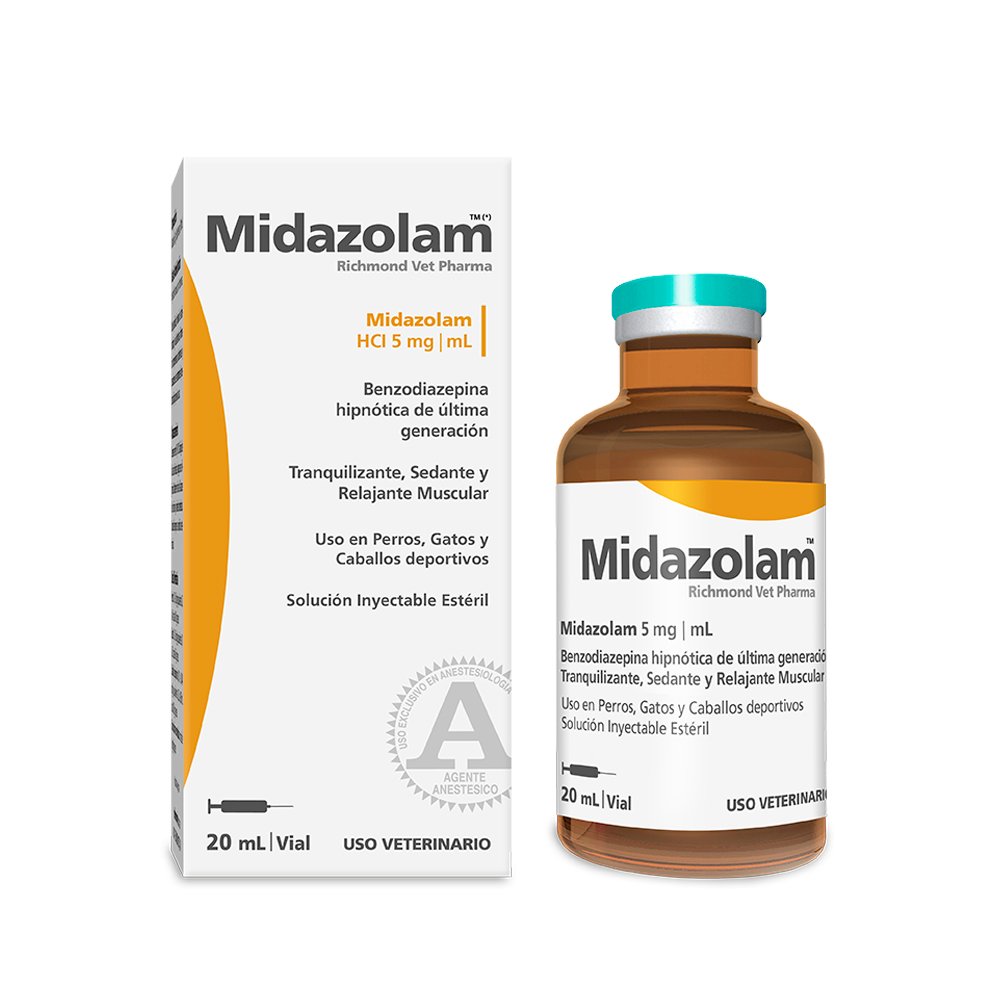
Midazolam (Versed)
Price range: $250.00 through $1,300.00
Midazolam, commonly known by the brand name Versed, is a prescription medication in the benzodiazepine family. It is primarily used in medical settings to help with sedation, anxiety reduction before procedures, and seizure management in certain situations. Because of its powerful effects on the central nervous system, Midazolam is generally administered under medical supervision.
What Is Midazolam (Versed)?
Midazolam is a short-acting benzodiazepine medication that works by increasing the activity of gamma-aminobutyric acid (GABA), a neurotransmitter that helps slow brain activity.
Doctors may use Midazolam for:
- Sedation before medical procedures
- Anxiety relief before surgery
- Seizure emergencies
- Intensive care sedation
- Certain anesthesia-related uses
Types and Forms of Midazolam
Midazolam comes in several medical formulations:
Injection
- Intravenous (IV)
- Intramuscular (IM)
Usually used in hospitals or clinics for rapid effects.
Oral Syrup
Often prescribed for children before certain procedures.
Nasal Spray
Can be used in certain seizure-related situations.
Buccal Form
Placed between the gum and cheek in specific clinical uses.
Midazolam Dosage Information
Dosage varies significantly based on:
- Age
- Weight
- Medical condition
- Procedure type
- Overall health
- Other medications being used
Examples of medical dosing categories:
Adults
- Procedure sedation: dose determined by healthcare professionals and adjusted individually.
Children
- Pediatric dosing is carefully weight-based.
Older adults
- Lower doses are often considered due to increased sensitivity.
Important: Midazolam dosing should only be determined by a licensed healthcare professional because excessive doses can lead to serious complications.
Advantages of Midazolam
Benefits may include:
- Fast onset of action
- Useful before medical procedures
- Can reduce anxiety in clinical settings
- Short duration compared with some similar medications
- Available in multiple forms
- Widely used in emergency and hospital care
Disadvantages of Midazolam
Potential drawbacks include:
- Requires medical monitoring in many situations
- May impair memory temporarily
- Can cause drowsiness
- May interact with other medications
- Potential for dependence with repeated use
- Not appropriate for everyone
Common Side Effects of Midazolam
Possible side effects include:
- Sleepiness
- Dizziness
- Fatigue
- Headache
- Nausea
- Temporary confusion
- Reduced coordination
- Irritation at injection site
Serious Side Effects Requiring Medical Attention
Seek medical care if symptoms such as these occur:
- Breathing difficulties
- Severe allergic reactions
- Extreme drowsiness
- Unusual behavioral changes
- Irregular heartbeat
How Midazolam Can Affect Someone
Effects vary by individual, dose, and medical setting. People may commonly experience:
- Relaxation
- Reduced anxiety
- Drowsiness
- Temporary memory impairment
- Reduced alertness
Some individuals may also experience confusion or feel unusually disoriented.
Drug Interactions
Midazolam may interact with:
- Other sedative medications
- Certain pain medications
- Some antibiotics
- Antifungal medications
- Alcohol
- Certain antidepressants
Healthcare professionals typically review medication history before administration.
Frequently Asked Questions About Midazolam
Is Midazolam the same as Versed?
Versed is a brand name for Midazolam.
Is Midazolam addictive?
Long-term or repeated use can carry a risk of dependence.
How long does Midazolam stay in the body?
The medication itself is short-acting, though the exact duration varies among individuals.
Is Midazolam used for sleep?
It is not typically intended as a routine sleep medication and is more commonly used in monitored medical settings.
Can Midazolam affect memory?
Yes. Temporary memory impairment can occur.
Can someone drive after receiving Midazolam?
Driving or operating machinery is generally avoided after receiving sedative medications until cleared by a healthcare professional.
Is Midazolam used during surgery?
Yes. It is commonly used before or during certain medical procedures.
| Dosage | 2mg/ml, 5 mg/ml |
|---|---|
| Quantity | 25 vials, 50 vials, 100 vial |
Related products
Pills
Pills
Pills
Injectables / Oral Syrup