

Codeine Phosphate
Price range: $150.00 through $500.00
What Is Codeine Phosphate?
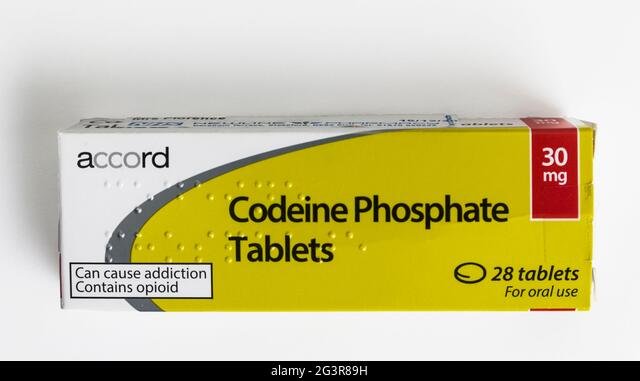
Codeine Phosphate is a prescription opioid medication commonly used to relieve mild to moderate pain and reduce coughing. It belongs to a class of medicines known as opioid analgesics and works by affecting pain signals in the brain and nervous system.
Codeine Phosphate is widely prescribed in tablet, capsule, and syrup forms. It may also be combined with other medications such as paracetamol or promethazine for enhanced therapeutic effects.
Types of Codeine Phosphate
1. Codeine Phosphate Tablets
These are the most common forms and are available in different strengths:
- 15mg tablets
- 30mg tablets
- 60mg tablets
They are mainly prescribed for pain management and persistent coughing.
2. Codeine Cough Syrup
Codeine syrup is commonly used to suppress dry coughs and nighttime coughing.
3. Combination Medications
Codeine is often mixed with:
- Paracetamol (acetaminophen)
- Ibuprofen
- Antihistamines
These combinations may improve pain relief and cold symptom management.
Common Uses of Codeine Phosphate
Pain Relief
Codeine is often prescribed for:
- Dental pain
- Muscle pain
- Back pain
- Injury-related pain
- Post-surgery discomfort
Cough Suppression
It can help reduce severe dry coughs by acting on cough centers in the brain.
Diarrhea Management
In some medical situations, doctors may prescribe codeine to reduce severe diarrhea symptoms.
Codeine Phosphate Dosage Guide
Typical Adult Dosages
For Pain Relief
- 15mg to 60mg every 4 to 6 hours as needed
- Maximum daily dose usually should not exceed 240mg unless directed by a doctor
For Cough
- 10mg to 20mg every 4 to 6 hours depending on severity
Dosage depends on:
- Age
- Medical history
- Opioid tolerance
- Severity of symptoms
Always follow professional medical guidance before using opioid medications.
Advantages of Codeine Phosphate
Effective Pain Relief
Codeine can help manage moderate pain when standard painkillers are not strong enough.
Helps Reduce Persistent Cough
It is effective for controlling dry, irritating coughs.
Multiple Forms Available
Available as:
- Tablets
- Capsules
- Syrups
Fast Acting
Many users experience relief within 30 to 60 minutes after taking it.
Disadvantages of Codeine Phosphate
Risk of Dependence
Long-term use may lead to physical dependence or misuse.
Drowsiness
Many users experience tiredness and reduced alertness.
Constipation
Opioids commonly slow digestion.
Tolerance Development
Over time, the body may require higher doses for the same effect.
Common Side Effects of Codeine Phosphate
Some users may experience:
- Dizziness
- Nausea
- Vomiting
- Constipation
- Dry mouth
- Drowsiness
- Sweating
- Mild itching
More serious side effects may include:
- Breathing difficulties
- Severe allergic reactions
- Confusion
- Low blood pressure
Seek medical attention immediately if severe symptoms occur.
How Codeine Phosphate Can Make You Feel
The effects vary depending on dosage, body chemistry, and tolerance.
Some users report:
- Pain relief
- Relaxation
- Calmness
- Mild euphoria
- Sleepiness
Others may experience:
- Dizziness
- Brain fog
- Nausea
- Fatigue
Because it affects the central nervous system, users should avoid driving or operating machinery after taking Codeine.
Safety Precautions
Do not combine Codeine with:
- Alcohol
- Sedatives
- Other opioids
Avoid use if you have:
- Severe breathing disorders
- Asthma attacks
- Head injuries
- Certain liver conditions
Pregnant or breastfeeding individuals should consult a healthcare professional before use.
Drug Interactions
Codeine may interact with:
- Sleeping medications
- Anxiety medications
- Antidepressants
- Muscle relaxants
- Certain antihistamines
Always inform your healthcare provider about other medications you are taking.
Frequently Asked Questions About Codeine Phosphate
Is Codeine Phosphate strong?
Codeine is considered a mild to moderate opioid pain medication. Stronger opioids include morphine and oxycodone.
How long does Codeine stay in the body?
Codeine effects usually last around 4 to 6 hours, though traces may remain detectable longer depending on metabolism and dosage.
Can Codeine make you sleepy?
Yes. Drowsiness and fatigue are common side effects.
Is Codeine addictive?
Long-term or excessive use may lead to dependence or misuse. It should only be used as prescribed.
Can I take Codeine on an empty stomach?
Some people may experience nausea when taking Codeine without food. Taking it after meals may help reduce stomach discomfort.
How fast does Codeine work?
Many users feel effects within 30 to 60 minutes after taking a dose.
Final Thoughts
Codeine Phosphate is commonly used for managing pain and suppressing persistent coughs. While it can provide effective relief, it also carries risks such as drowsiness, constipation, and potential dependence. Proper dosage and responsible use are important for safety and effectiveness.
| Dosage | 15 mg, 30 mg, 60 mg |
|---|---|
| Quantity | 100 pills, 200 pills |
Related products

Pills
Pills
Pills

Pills